



Strengthening Families, Strengthening Futures: Key Insights from RCI’s Family Reintegration Consultation
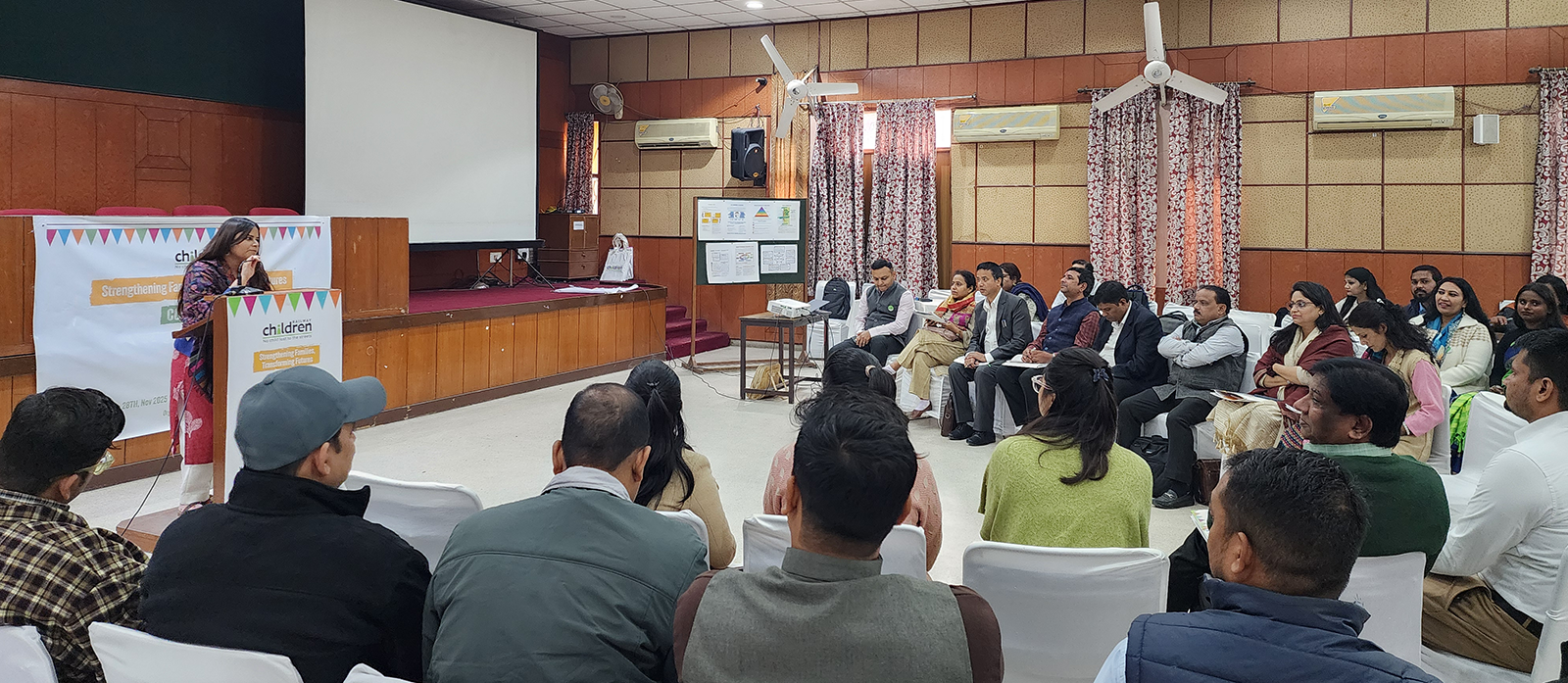
Picture a room buzzing with 80 people—Child Welfare Committee members, Probation Officers, NGO partners, children, and their families—all coming together for one shared purpose: understanding how each one can help every child grow up in a safer, stronger home.
In a recently held Consultation, “Strengthening Families, Transforming Futures”, this visual came to life. This one-of-a-kind consultation offered not just conversations, but clarity. It allowed stakeholders to understand how Railway Children India’s Family Reintegration model is transforming lives and redefining how the child protection ecosystem approaches family-based care.
Why This Consultation, and Why Now?
When asked about the core purpose behind organising the consultation, Ms. Sweety Samanta, Senior Case Worker, is prompt to share, “We wanted people to really see what Railway Children India’s family reintegration work looks like, and the kind of impact it creates.”
Most stakeholders already know the big theories: Attachment Theory, Trauma-Informed Care, Maslow’s Pyramid. “But the struggle lies in taking those theories and using them in messy, real-life situations with families who’ve been through trauma,” explains Sweety.
This event was designed to bridge that gap.
A Model That Made Everyone Pause
We invited a mix of NGOs and CWC members, many of whom didn’t work directly with families. For them, seeing RCI’s Family Reintegration model laid out was eye-opening.
As discussions unfolded, one thing kept coming up: the Family Camp.
It’s RCI’s signature intervention, and for good reason. Families come in carrying hurt, uncertainty, and sometimes guilt. They leave with trust, understanding, and a sense of “we’re in this together.”
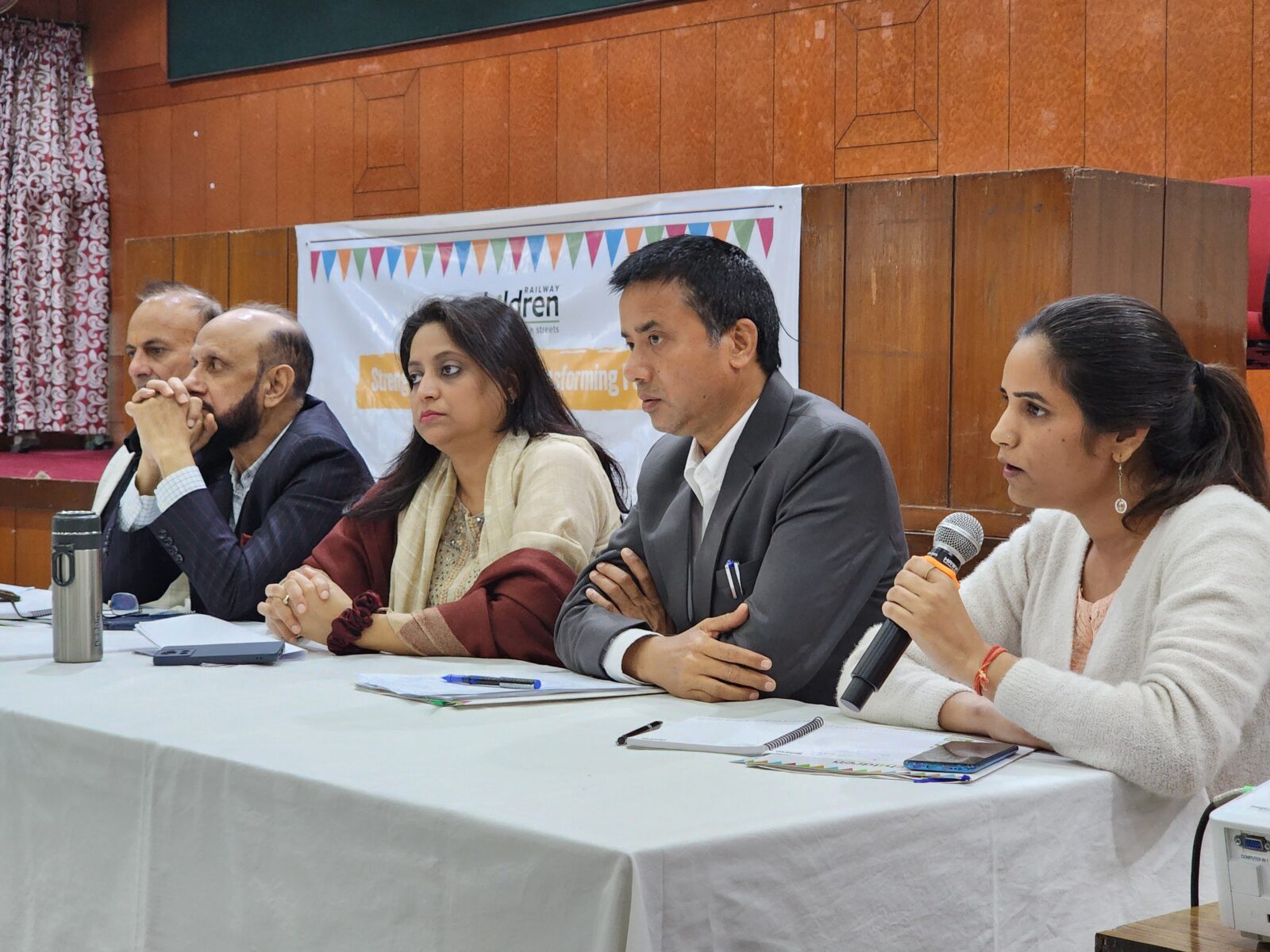
The Child Welfare Committee (CWC) refers every case to our team after a child is reunited with his/her parents. Before RCI’s Family Integration approach had sufficient data, results and insights to offer, the CWC’s orders would quintessentially include re-enrolment in schools or enrolment in vocational courses.
However, it was evident that after going back to their families, children and parents both needed some tools to navigate the trauma of separation and continue life ahead without repeating such distressing episodes. This is where our extensive Family Reintegration approach steps in.
As Sweety describes it, “when the CWC members saw what our Family Camp achieved, they realised family bonding and psychological support are not optional, they’re essential.” This shift in thinking is already influencing how reintegration orders are written.
The Most Powerful Voices in the Room? The Families
Sure, the RCI team could have explained the model themselves, but nothing hits harder than a parent speaking from the heart.
When asked about what changes the Family Camp brought in her life, one mother gently said:
“Ab humein pata chala ki bacchon ko waqt dena bohot zaruri hai… ab ghar jaake hum unse poochte hain, unse baat karte hain.”
(Now we understand how important it is to give children our time… we go home and actually sit with them and talk.)
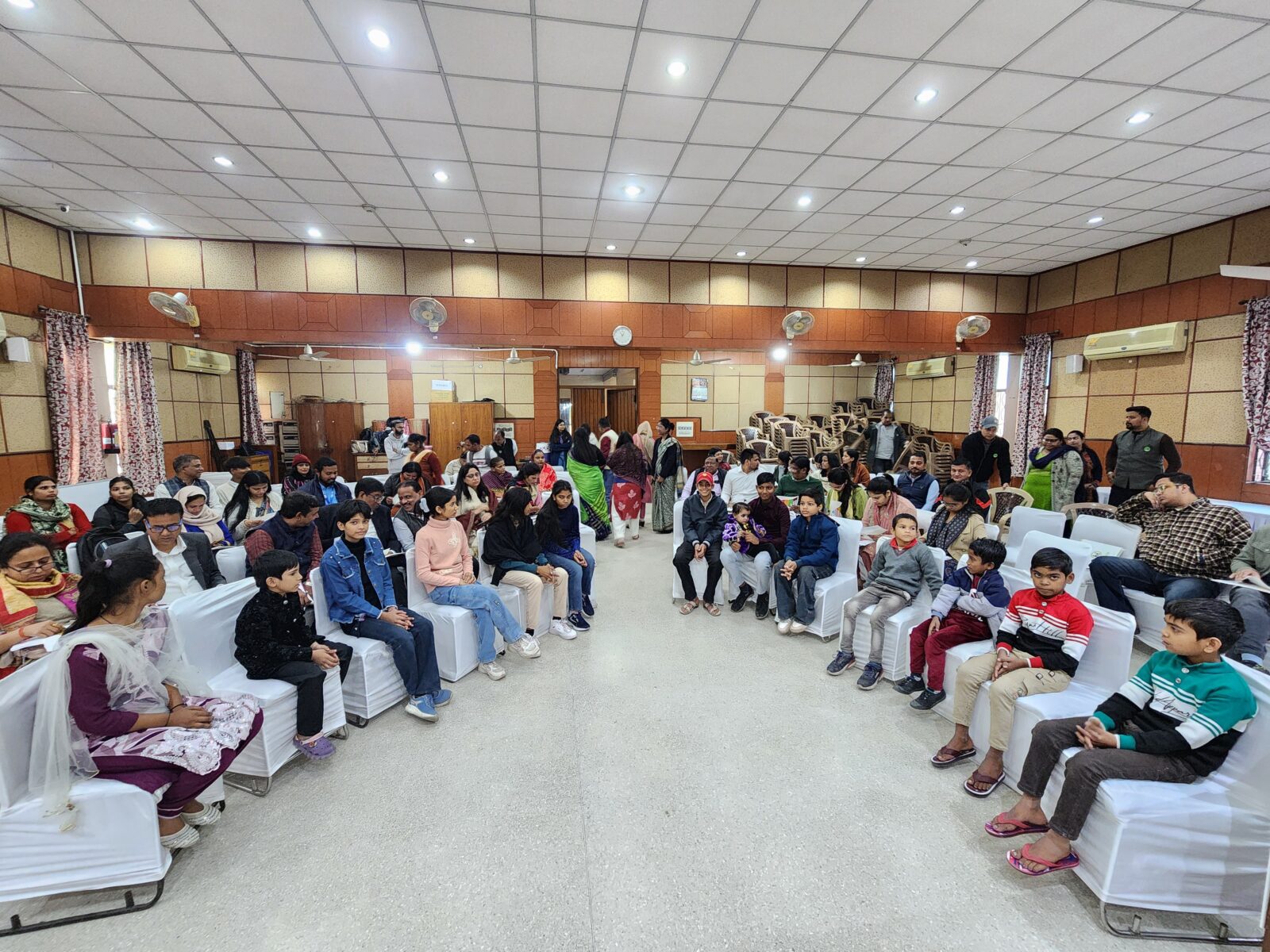
And the children? they reminded everyone why this work matters. Our team was careful not to make them revisit their trauma. Instead, they were encouraged to talk about their dreams.
One little girl said softly, “Bade hoke main apni nani ke pair ka ilaaj karaungi.”
(When I grow up, I’ll get my grandmother’s legs treated.)
It wasn’t just a dream—it was love, responsibility, and healing all wrapped into one simple sentence. A reminder that reintegration isn’t just about returning home, but about rebuilding affected relationships.
A New Kind of Partnership Begins
The most exciting outcomes of the room were promises, possibilities, partnerships.
While RCI works with children, their families often include elderly grandparents, persons with disabilities, and caregivers who need support themselves.
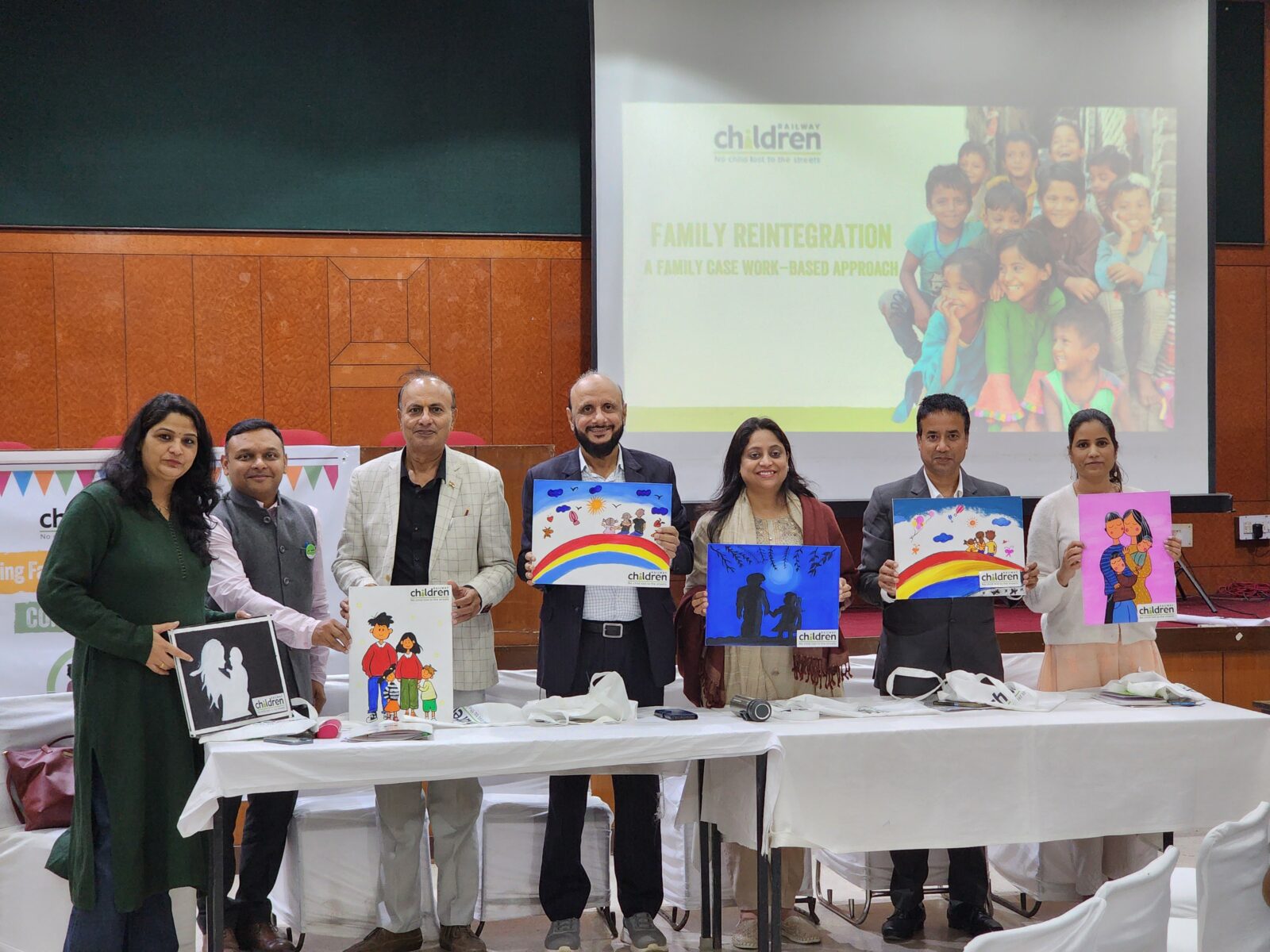
In a shift from siloed work to holistic family strengthening, our team will plan to partner with other NGOs so we can support the entire household, not just one child. This could result in, better case collaboration, shared responsibilities, and a more complete, compassionate support system for families.
In the End, It All Comes Back to the Family
This consultation wasn’t just a formal discussion. It was a reminder—spoken through stories, emotions, and moments—that a child’s home is their strongest foundation. No institution can replace the sense of love, identity, and belonging a family provides.
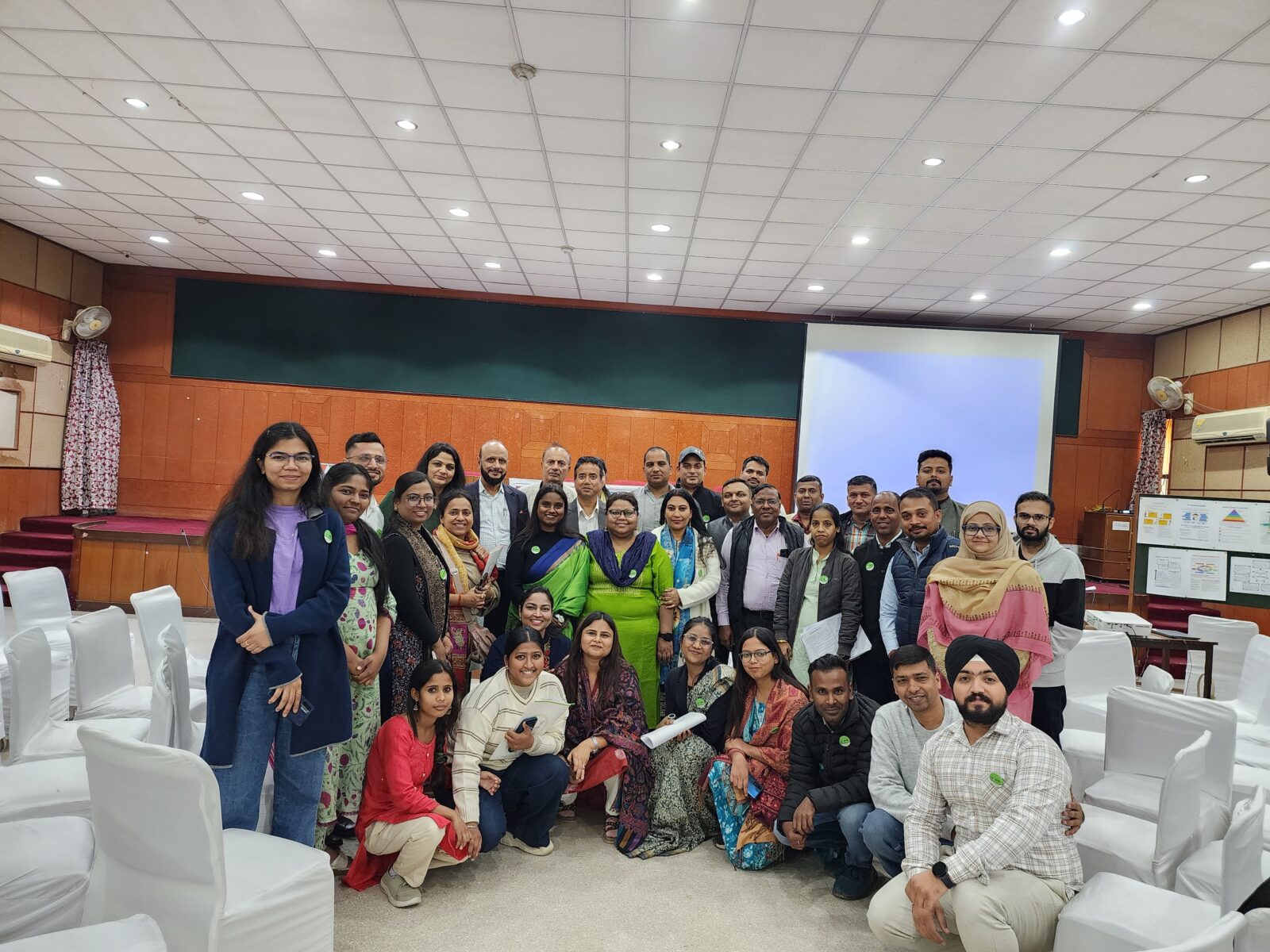
If we want safer childhoods, we must strengthen families, patiently, consistently, and with every resource we have.
Categories


Data Security: Railway Children India takes utmost precautions with your personal data. For further details, please visit the "Privacy Policy" of Railway Children India available on this website.
©️ 2024 Railway Children India. All rights reserved. | Railway Children India is a Non-Profit organisation, registered under section 8 of The Companies Act, 2013 with registration number U85100DL2013NPL260371.