The Millennial vs. Gen Z debate is passé. Gen Alpha are now teenagers, and Gen Beta are the newborns lighting up our feeds. Inside some homes, generations even overlap spectacularly—Boomer great-grandparents, Gen X grandparents, Millennial parents and their Alpha and Beta children—which causes a clash of parenting legacies. Boomers raised resilient Gen X with survival at the core; Gen X, shaped by prosperity, pushed Millennials up the ladder through education; and Millennials now navigate parenting in an AI-driven, hyper-digital world.
Parenting evolves as much as the world around it. From survival to success to digital balance, every generation adds a new layer. Let’s explore some of today’s new-age parenting approaches and how Railway Children India is bringing these very tools and ideas to parents in underprivileged communities.
Gentle/Elephant Parenting – Delicate Nurturing
Gentle/Elephant Parenting (aka Elephant Parenting) is all about raising children with empathy, patience and emotional presence—think gentle giants who comfort instead of scold and guide instead of punish. It encourages exploration within safe boundaries, fosters independence at the child’s pace, and builds strong traits like self-esteem, social empathy and resilience. The flip side of this style results in too much emotional tuning, which overwhelms parents and leads to overdependence in children. This constant pressure to be endlessly gentle is exactly what gave rise to FAFO parenting.
FAFO Parenting – Lessons through Consequences
FAFO Parenting—short for the cheeky “F*ck Around and Find Out”—is all about letting children learn from natural, safe consequences instead of constant parental intervention. Forgot their lunch? They’ll remember next time. Refused to wear a jacket? The chill will teach them better than a lecture. If coming from a place of empathy, it gives parents a chance to turn the cold “I told you so” into a warm “what have we learned?”
Exhausted by the pressure of the emotionally intense “gentle parenting,” parents are loving this style for building resilience, independence and accountability, especially as a middle ground between strict and overly gentle approaches. Experts note, though, that the magic lies in balance: let children “find out,” but stay close with empathy and guidance so the lesson sticks without shame.
Lighthouse Parenting – Step Back and Guide
Coined by Dr. Ken Ginsburg, Lighthouse Parenting casts parents as steady beacons—present, reliable and guiding from a safe distance. They set clear boundaries and stay emotionally available, but allow children to face challenges, make mistakes and learn resilience along the way. The emphasis is on structure with warmth, helping children steer while knowing a guiding light is always there.
Glider Parenting – Glide, Don’t Hover
Glider parents, in contrast, take a hands-off, trust-driven approach. They believe children thrive when given maximum independence and space to figure things out on their own. Unlike Lighthouse parents, Gliders set fewer rules or structured guardrails—they simply “glide nearby,” stepping in only when absolutely necessary. This freedom can foster confidence and self-reliance, but without clear boundaries, it risks slipping into neglect or lack of direction.
Concerted Cultivation – Curating Success
A term popularized by sociologist Annette Lareau, Concerted Cultivation is all about structured enrichment and intentional parenting. Parents practicing this style actively fill their child’s calendar with classes, sports, music lessons, and organized activities, believing that this curated exposure builds confidence, social skills and future success. Children raised this way often learn to advocate for themselves and interact comfortably with authority figures. The flip side? Too much scheduling can create pressure, stress and burnout, leaving little room for downtime or free play.
Taking the Art of Parenting to the Grassroots
Railway Children India focuses its community-focused work in slum communities around transport terminals. Inhabiting these communities are underprivileged families for whom all of this discourse is alien. Engaged in a tough balancing act between earning a livelihood and ensuring their children continue to stay in school, these parents are often absent from the many changing dynamics of their children’s lives.
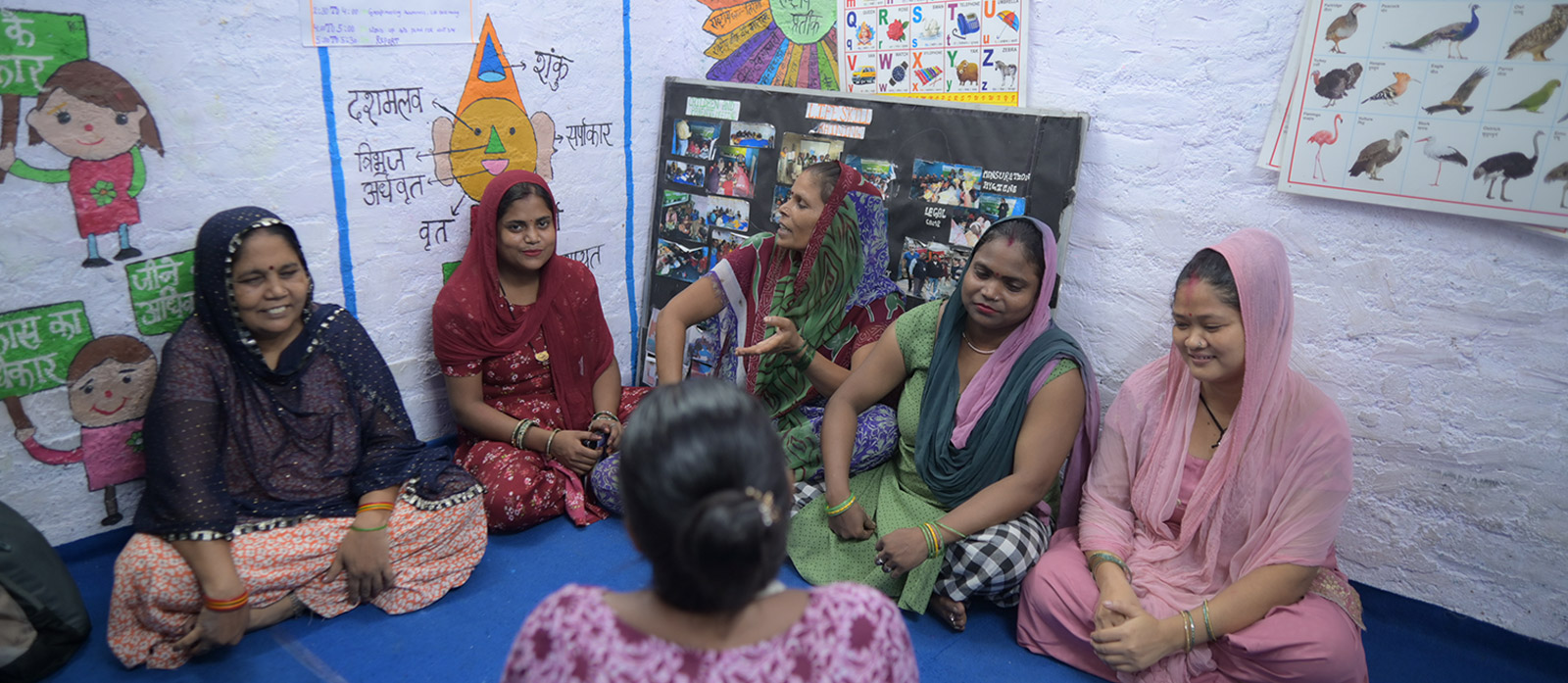
To combat this issue and address this root cause that pushes children into abuse and labour, Railway Children India (RCI) has been catalysing a quiet revolution—fortnightly parent groups. Beginning with the basics of child rights and life skills, the discussions held in these groups evolve into powerful forums where parents develop the confidence to steer their children’s well-being.
With support from community mobilisers and RCI’s training officers, these groups of about 15 parents each come together to raise their voices on issues like child marriage in Darbhanga or domestic violence driven by alcohol abuse. With tools and practical help, whether that’s enrolling a child in school, opening a bank account, or navigating legal frameworks, these workshops have a clear goal: empower parents to lead the change in their own lives and their children’s futures.